Willa Fischer · 15 September 2026
Decoding Visitor Behavior Patterns Through Advanced Tracking Integrations
Advanced tracking integrations combine data from multiple sources to map how visitors interact with websites and applications, and researchers have documented steady growth in these systems since the mid-2010s. Data from session recordings, heatmaps, and event tracking layers together when platforms connect through APIs and server-side setups, while machine learning models process the combined streams to identify repeating sequences such as navigation paths or dwell times on specific page elements. Observers note that companies began expanding these integrations after major browser changes limited third-party cookies, and the shift prompted many organizations to adopt first-party data collection methods that feed into centralized dashboards.
Core Components of Tracking Integrations
Modern setups rely on several layers that work together. Client-side scripts capture clicks, scrolls, and form interactions in real time, server-side endpoints record backend events like purchase completions or account creations, and tag management systems orchestrate when each script fires without requiring constant code changes. Studies from academic institutions show that combining these layers reduces data loss during page loads and improves accuracy for metrics such as bounce rates and conversion funnels. Integration often involves mapping events to a common schema so that downstream analytics tools can treat data from different sources as a single timeline.
Pattern Identification Techniques
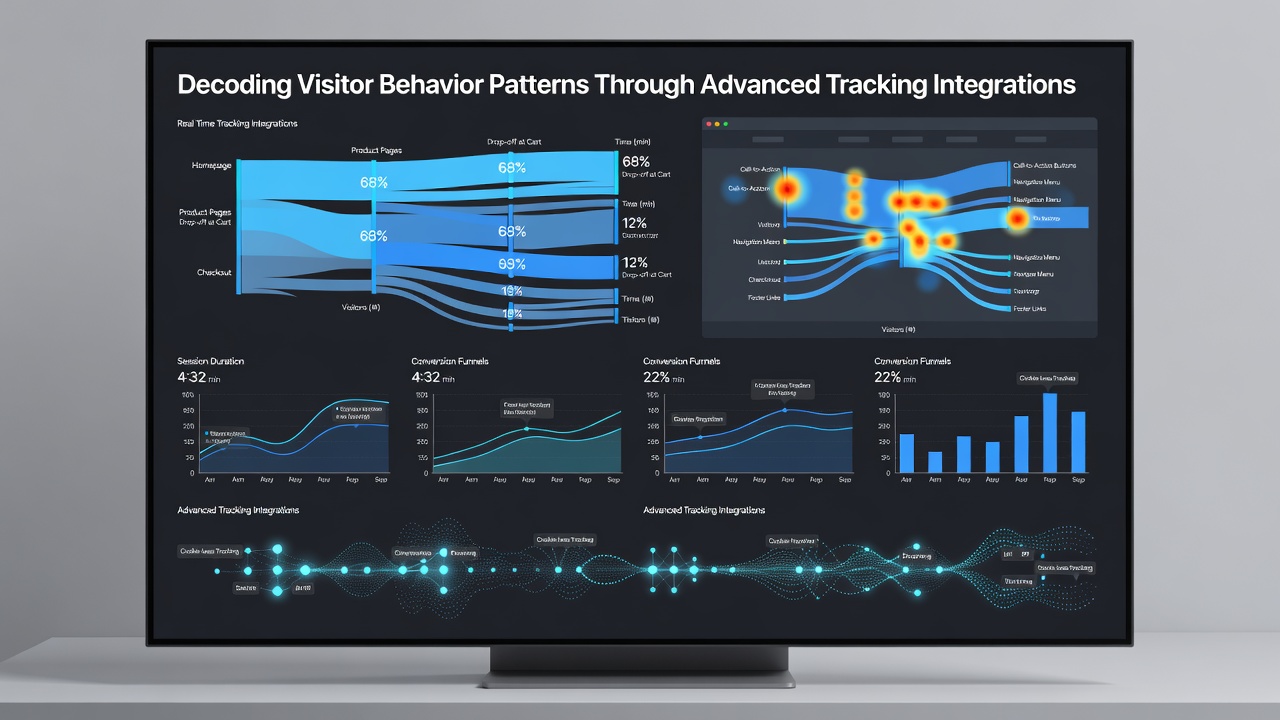
Once data flows through integrated systems, analysts apply clustering algorithms and sequence mining to surface common behavior groups. One technique segments visitors by the order of pages viewed, while another examines time-based patterns such as return visits within specific intervals. Research indicates that these methods reveal segments that traditional page-view counts miss, including users who explore multiple product categories before abandoning carts. Figures from industry reports reveal that organizations using integrated tracking see clearer signals in seasonal traffic shifts, and September 2026 is expected to bring further updates to privacy frameworks in several regions that may affect how long raw event data remains available for pattern analysis.
Privacy and Regulatory Context
Regulations in multiple jurisdictions now require explicit consent mechanisms before certain tracking scripts activate, and compliance teams routinely audit integration points to ensure data flows match stated policies. The Federal Trade Commission has published guidance on transparent data practices that many teams reference when configuring consent banners. In parallel, reports from the Australian Competition and Consumer Commission highlight similar expectations for clear disclosure when visitor data crosses into analytics platforms. These rules influence which events get captured and how long identifiers persist across sessions.
Implementation Examples Across Sectors
Retail sites frequently connect checkout tracking with inventory systems so abandoned cart patterns can trigger automated recovery flows. Educational platforms integrate video completion events with quiz performance data to identify where learners disengage. Observers have recorded cases where healthcare portals combined appointment booking logs with symptom checker usage to optimize navigation menus. Each example demonstrates how the same integration principles adapt when event definitions change to match sector-specific goals. Data from university-led studies shows measurable lifts in task completion rates after teams refine tracking schemas based on observed visitor sequences.
Challenges in Data Quality and Processing
Even with strong integrations, discrepancies arise when network conditions drop events or when users clear storage between visits. Teams address these gaps through server-side validation and cross-device matching that relies on logged-in identifiers rather than cookies alone. Processing pipelines must handle variable event volumes, especially during peak traffic periods, and many organizations now route data through stream processing frameworks that flag anomalies in real time. Research indicates that regular schema reviews help maintain consistency as new features launch and introduce fresh event types.
Conclusion
Advanced tracking integrations continue to evolve as browsers, regulations, and analysis tools change. Organizations that maintain accurate event mapping and respect consent requirements gain clearer views of visitor sequences, while those who neglect integration hygiene encounter fragmented datasets. September 2026 will likely mark another checkpoint for privacy compliance updates that affect data retention windows, and teams monitoring these shifts will need to adjust collection and processing layers accordingly. The factual record shows that pattern detection improves when multiple data streams converge under controlled conditions, and ongoing documentation of these systems supports more precise measurement across digital properties.